Sports bring scores, stats, and highlight clips. Sports also bring people into the same room. A good sports bar turns a regular night into a shared experience. Fans arrive for a tip, a puck drop, or a kickoff. Fans leave feeling closer to friends, neighbors, and the city.
Community does not form through speeches. Community forms through repeated moments. A packed table on a cold weeknight. A stranger who nods after a big stop. A room full of fans who react as one. Sports bars create space for those moments, then repeat those moments week after week.
Philadelphia lives through sports. Eagles Sundays, Flyers weeknights, Sixers runs, college hoops rivalries. Sports bars hold space for all of those seasons. A single bar becomes a meeting point for friends who share teams, and friends who share time.
Sports bars serve as modern neighborhood gathering spots
Many adults struggle to find a third place, a spot outside home and work where people feel welcome. Sports bars fill this role for many fans. The best sports bars offer warmth in winter, shade in summer, and a familiar rhythm year round. Regulars learn the staff. Staff learn regulars. Names become faces, and faces become familiar.
A gathering spot needs structure. Games supply structure. Broadcast times create natural start and end points. Fans do not need to invent an excuse to meet. A matchup becomes the reason, then conversation becomes the reward.
A gathering spot also needs a shared focus. Sports supply a shared focus. Even people who arrive as strangers share a common language. Score updates. Ref calls. Coaching choices. A sports bar supports this shared focus through screens, sound, and room layout.
The shared moment builds connection faster than small talk
Small talk often feels forced. A game removes pressure. People watch first, then talk. A close play sparks a reaction, then a comment follows. A replay triggers a debate, then introductions happen. This pattern builds connection faster than a quiet room where everyone searches for a topic.
Sports also create synchronized emotion. A whole room holds breath on a fourth down. A whole room groans after a turnover. A whole room cheers after a deep shot falls. Shared emotion creates bonds, even between people who never met before.
These moments happen across sports. A power play late in a Flyers game. A final two minute stretch during a Sixers comeback. A rivalry game in college hoops. Fans feel the same spikes in tension and relief. A sports bar turns those spikes into a group experience.
Fandom turns a city into a network
Philly fandom carries pride, humor, and edge. Fans talk fast. Fans remember old games. Fans hold strong opinions. A sports bar gives this culture a home.
Eagles fandom offers a clear example. Eagles talk shows up in offices, barber shops, grocery lines, and group chats. Fans share superstitions, lucky routines, and pregame habits. Fans also share how fandom shapes friendships and identity in the region. A recent local feature, how Eagles fandom shapes daily life across Philadelphia, describes how the team’s pull reaches beyond Sunday football and into everyday conversation and community.
When fandom becomes a shared identity, sports bars become a hub. People arrive wearing the same colors and expecting the same reactions. Strangers exchange a quick smile after a big run. Tables high five across aisles. The bar turns into a network where people feel recognized.
Highlights and replays keep the story alive between games
Games end. Conversation continues. Highlights keep the story moving through the week. Fans relive key plays, then bring those plays back into the next watch night.
Eagles highlights offer a simple way to see how shared moments spread. One matchup clip often creates a week of debate and jokes. A prime example comes from the Eagles vs Bills Week 17 highlights video. One video becomes a shared reference point. Fans quote moments from the clip. Fans argue about decisions. Fans replay the same sequence until the next kickoff.
A sports bar amplifies this cycle. Fans watch highlights before a game, then compare memories. Fans bring opinions formed during the week, then test those opinions in the room. This back and forth keeps community active even during gaps between games.
Food and drink act as social glue
Sports bring people together. Food keeps people together. A table sharing food tends to stay longer and talk more. A plate in the middle invites participation. People lean in. People offer bites. People ask what someone ordered.
Shareable food also supports the pace of a live broadcast. Fans eat between plays. Fans pass plates during timeouts. Fans order another round during halftime. The night stays smooth when food fits the rhythm.
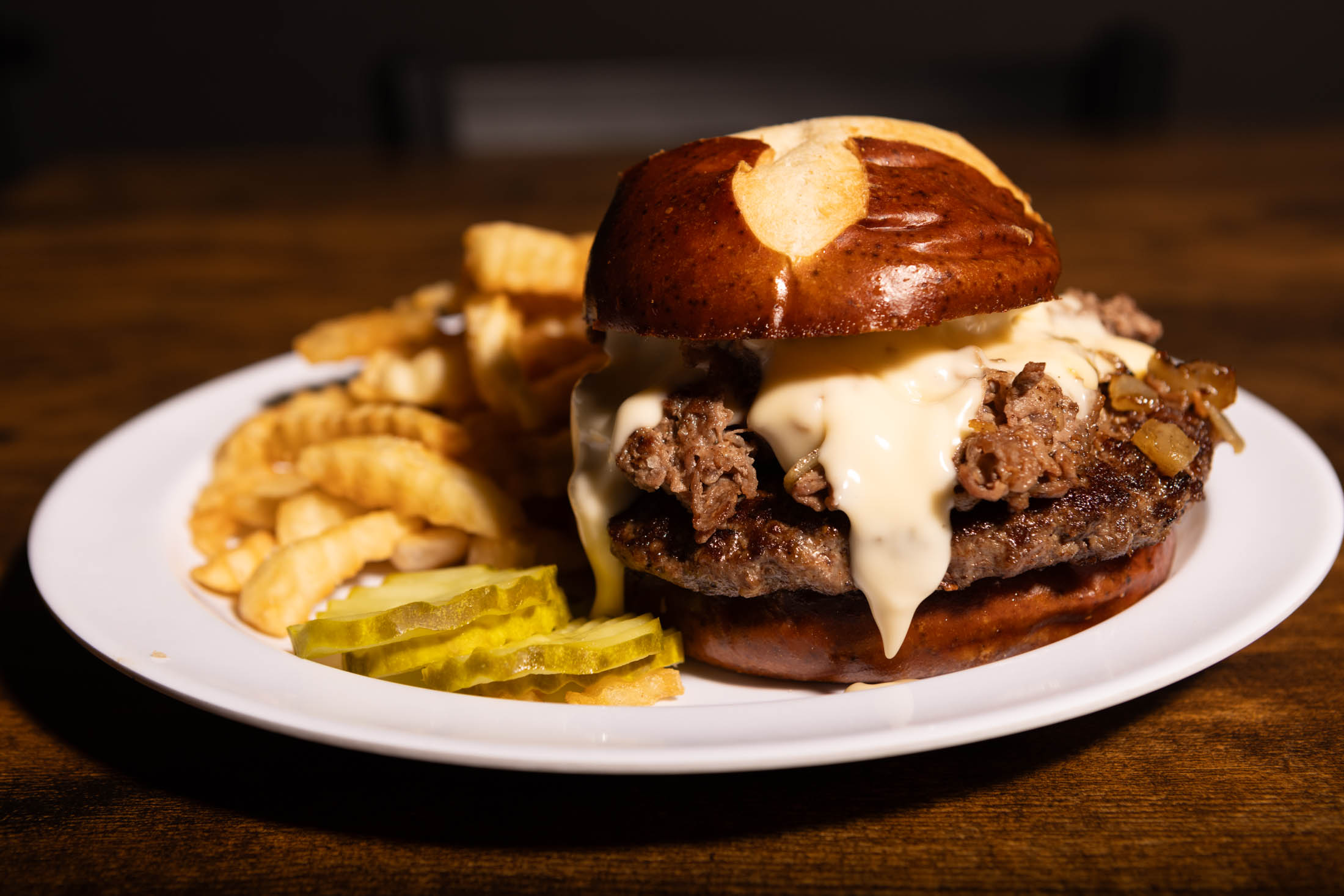
At 7C Lounge, the kitchen supports a watch night approach through a menu built for groups. The 7C Lounge menu for shareable comfort food and fan favorites helps groups build a simple spread. Starters keep conversation going early. Main plates keep energy steady through a late finish. Dessert turns a close win into a longer hang.
Drink specials also shape the social feel. Specials give groups a shared choice, a common starting point. One person orders first, then others follow. A specials board often sparks conversation between tables. People ask what someone ordered. People compare favorites. A sports bar turns ordering into another form of bonding.
Events create community on nights without big games
Community grows through repetition. Repetition needs reasons to gather beyond headline games. Strong sports bars run events and theme nights designed to keep regulars returning even when the schedule feels light.
Events also welcome newcomers. A first visit feels easier when an activity creates a shared focus beyond a single team. Trivia, music bingo, and seasonal gatherings bring a mix of fans and non fans into the same room.
7C Lounge posts upcoming happenings through an events calendar. The 7C Lounge events calendar for weekly community nights supports planning for groups who want a steady midweek routine. Friends pick a night, then return. New faces become regular faces.
Events also strengthen sports nights. When regulars know each other through weekly events, the room feels connected during big games. People greet each other. People save seats. People share food and stories. The bar becomes more than a place to watch.
Group viewing turns fandom into friendship
Many friendships begin through shared interest, then grow through shared time. Sports bars supply shared time. A weekly game night becomes an anchor for a friend group. Even when life gets busy, a game night keeps everyone connected.
Group viewing also helps blend friend circles. One person brings a coworker. Another person brings a neighbor. Someone brings family from out of town. A sports bar makes introductions feel natural because the game supplies a common topic.
Group viewing works best when the room supports groups. Tables need space for shareables. Service needs steady pacing. Screens need clear views. A room designed for groups keeps the night focused on people, not logistics.
Sports bars also help couples and families share a night out. One partner loves the sport. Another partner loves the social vibe. A sports bar offers both. Food and conversation fill breaks in action. The crowd energy adds fun even for casual fans.
Rivalries create friendly friction, which strengthens bonds
Rivalries raise the volume. Rivalries also add humor. A friend group often includes fans from different schools or teams. Rival talk brings teasing, debates, and friendly bets. Those interactions create stories people repeat for years.
Philly rival talk runs across leagues. College hoops arguments. Hockey debates. Football grudge games. A sports bar offers a safe space for rival energy. The game stays central, and staff keep the room respectful.
Respect matters. A great sports bar welcomes fans from both sides. A great sports bar avoids hostility. A great sports bar keeps banter playful. The room stays fun even when the score swings.
Sports bars support well being through connection
Adults often report loneliness, even in busy cities. Shared routines help. A weekly watch night offers a low pressure way to stay social. People show up, watch, talk, and leave feeling lighter.
Sports bars also support multi generation connection. Parents watch with adult children. Grandparents watch with families. Old friends reunite. A game provides a reason to meet, yet the deeper value comes from being together.
Connection also grows through small acts. A server remembers a regular’s order. A nearby table shares a napkin. A stranger offers a quick fist bump after a big play. Those moments seem small, yet they build a sense of belonging.
Why winter sports nights feel special in Philadelphia
Winter changes habits. Outdoor plans fade. People search for warm places where time passes fast. Sports bars thrive during winter because a game fills the hours. A close finish makes the night fly.
Philadelphia winters also bring a specific rhythm. Fans follow multiple teams across the week. Flyers on one night. Sixers on another. Eagles talk all week, plus college hoops on weekends. A sports bar gives fans one place to keep up without splitting plans across multiple venues.
Winter also sharpens comfort food cravings. Hot plates, shareables, and hearty sandwiches feel right during cold weather. A sports bar built for winter provides warmth, good food, and a loud room when fans want energy.
A sports bar becomes part of personal history
People remember where they watched a big game. People remember who sat beside them. People remember the song playing after a win. People remember the first time a group became a tradition.
A sports bar becomes part of personal history through repeated nights. A friend group grows around a table. A couple celebrates milestones around games. Coworkers turn into friends through weekly watch sessions. A neighborhood becomes tighter because people share the same room.
Sports supply the spark. A good sports bar supplies the setting. The result feels bigger than a scoreboard. The result feels like community.