Wednesday has a main event
Some weekly specials need a long explanation. Prime Rib Night does not. It works because the plate is clear, the window is limited, and the food speaks for itself. Every Wednesday from 4 p.m. to 7 p.m., 7C Lounge serves a 14 oz prime rib dinner, dine-in only, while supplies last. That last part matters. This is not a quiet menu item waiting around all night. It is a weekly staple with a real clock on it.
There is a reason prime rib gets its own following. It feels like a full dinner without needing a holiday, a reservation, or a white tablecloth. It is rich, warm, sliced thick, and built for the kind of guest who wants Wednesday night to feel like more than the middle of the week.
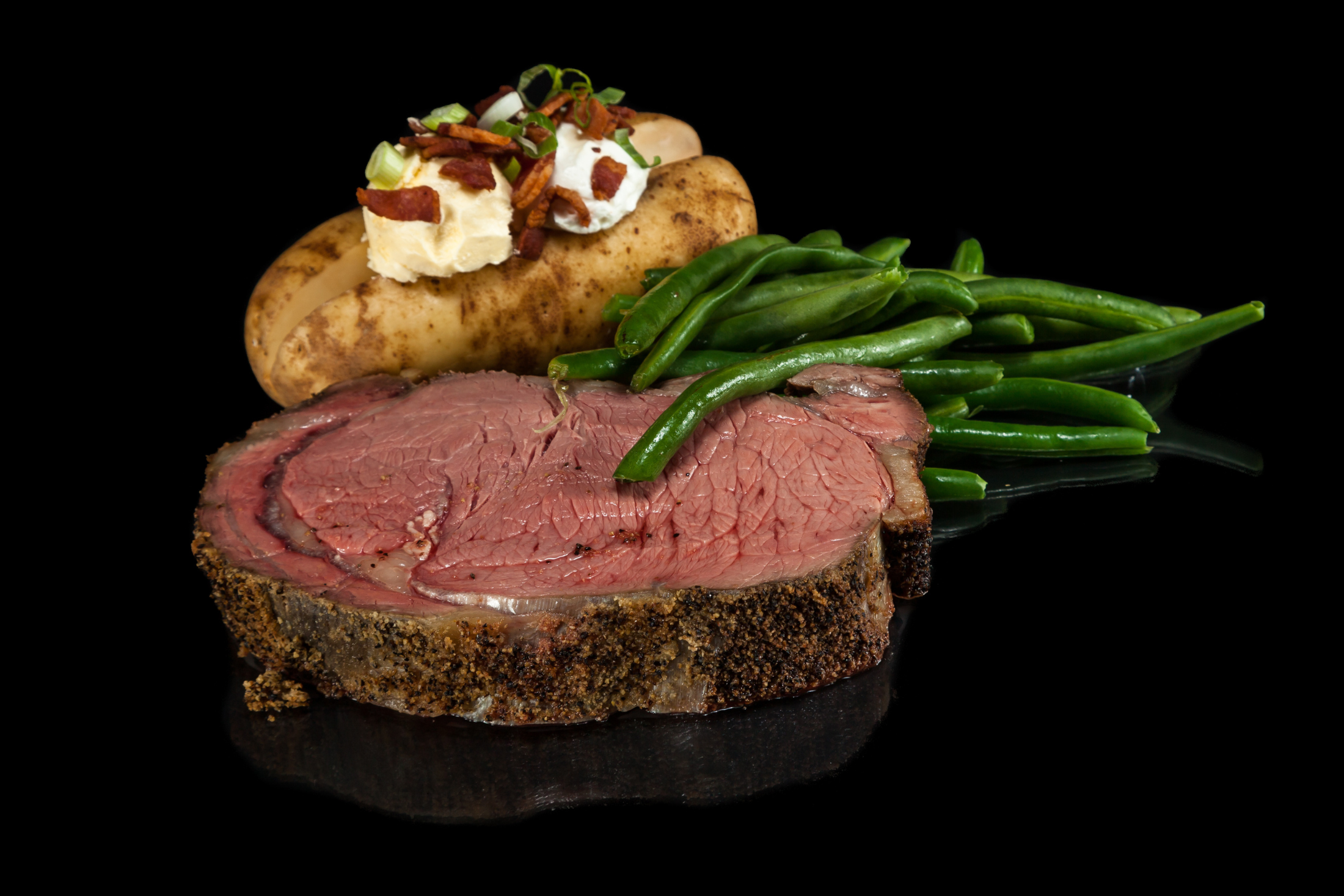
At 7C, the plate is direct: 14 oz prime rib, baked potato, green beans, and your choice of soup or salad. It is cooked to the temperature of your liking, which is exactly what a prime rib dinner should offer. Simple, generous, and easy to understand.
The cut is the reason people come early
Prime rib is not just another beef special. It has a specific kind of appeal. It is tender when handled properly, flavorful because of the cut, and satisfying in a way that feels different from a burger or sandwich. A 14 oz portion gives the plate real presence. When it comes out right, it looks like dinner before anyone even picks up a fork.
The best prime rib has a soft interior, a juicy center, and enough richness to make the sides matter. It should not feel rushed. It should not feel thin. It should not feel like an afterthought. A good slice has weight, and that is part of why guests look forward to it.
The Wednesday Prime Rib Night at 7C Lounge keeps the details straightforward: 14 oz prime rib for $30, served with a baked potato, green beans, and choice of soup or salad. The price is clear, the plate is clear, and the time window is clear. That is the kind of weekly special that guests remember.
Why it sells out
It sells out because it is limited, but that is only part of it. A limited special only matters if people want it. Prime Rib Night works because it gives guests a reason to build a Wednesday around one specific plate.
There is also a practical side. Prime rib is not something most people casually make at home on a Wednesday. It takes time, space, and attention. Ordering it out makes sense because the kitchen has already done the heavy lifting. Guests get the pleasure of the meal without turning their own evening into a cooking project.
That is a big reason weekly food staples survive. They solve a real problem. By the middle of the week, people are tired of figuring out dinner. Prime Rib Night gives them an easy answer that still feels like a treat.
What comes with it matters
A prime rib plate can fall apart if the sides are wrong. At 7C, the sides make sense. A baked potato belongs next to prime rib because it is simple, sturdy, and ready for butter, sour cream, bacon, cheddar, or whatever extras the guest chooses. Green beans bring a clean vegetable side that keeps the plate from feeling too heavy. Soup or salad gives the dinner a proper start.
That combination works because it respects the main dish. The sides support the prime rib instead of fighting it. The plate feels complete, but it does not get crowded with unnecessary ideas.
The baked potato is especially important. It gives the plate that classic steakhouse feeling without making the meal formal. A loaded baked potato with bacon and cheddar turns the side into something richer. Mushrooms and onions can add another savory layer to the beef. Those small upgrades matter because regulars like having a way to make the plate their own.
Temperature is part of the experience
Prime rib is personal. Some guests want it rare. Some want medium rare. Some want medium. Some want it cooked further. The point is that the temperature matters because the whole meal depends on how the cut eats.
That is why “cooked to the temperature of your liking” is one of the most important details on the menu. It tells guests the kitchen is treating the plate like a real dinner, not just a pre-set special. Prime rib should arrive the way the guest asked for it, with enough care that the cut still feels like the center of the night.
For people who order prime rib often, this detail is not small. It is the difference between a weekly special that feels worth returning for and one that feels random. When the temperature is right, everything else on the plate makes more sense.
Arrive closer to 4 p.m. than 7 p.m.
The most practical advice is also the simplest: arrive early. Prime Rib Night runs from 4 p.m. to 7 p.m., but it is served while supplies last. That means 7 p.m. should not be treated like a safe arrival time. It is the end of the window, not a guarantee.
If prime rib is the reason for the visit, the best move is to arrive near the start of the special. Between 4 p.m. and 5 p.m. is the safest rhythm for anyone who wants the best shot at getting the plate before it is gone. Later may still work, but the whole point of “while supplies last” is that the kitchen is not promising unlimited portions.
That is also part of the appeal. A weekly special feels more valuable when it has a real window. Guests know Wednesday is the night. They know the time. They know the plate. They also know waiting too long is a gamble.
Wednesday dinner should not be complicated
There is something especially useful about a strong Wednesday special. Monday is the reset. Tuesday has its own rhythm. By Wednesday, people are looking for something that makes the week feel easier. Prime rib does that. It turns the middle of the week into a real dinner without requiring a weekend plan.
That matters in fall, when schedules get fuller and weeknights start to carry more weight. The Visit Philadelphia guide to fall in Greater Philadelphia shows how busy the season gets with sports, festivals, food, drink, arts, and local events. When the calendar is crowded, a dependable Wednesday dinner special becomes more valuable, not less.
Prime Rib Night is not trying to be trendy. That is part of why it works. It is a familiar plate served in a specific window, and guests know exactly why they are coming.
The soup or salad choice sets the tone
A choice of soup or salad gives the dinner a nice first step. Salad keeps the plate lighter before the beef arrives. Soup makes the meal feel warmer and more complete, especially once the weather turns. Either way, it gives the guest a little pause before the main plate lands.
That matters because prime rib is a sit-down meal. It deserves a little pacing. The soup or salad gives guests time to settle in, look around, talk for a minute, and let dinner feel like dinner. Then the prime rib arrives as the center of the table.
It is a small detail, but good food writing lives in those details. A plate sells out because the main cut is strong. It keeps selling out because the whole meal makes sense.
The baked potato is not background
A baked potato can look simple, but next to prime rib it does real work. It gives the plate comfort. It gives guests something soft and warm to pair with each bite of beef. It also handles upgrades well, which is why the loaded baked potato option matters.
Adding bacon and cheddar changes the whole plate. It makes the side richer and turns the dinner into something even more satisfying. Sour cream gives the potato the classic finish. Mushrooms and onions add another savory note when paired with the beef.
None of those extras need to be overexplained. They are practical, familiar, and exactly the kind of choices prime rib guests appreciate. A strong special lets people keep it classic or add a little more without making the order complicated.
Green beans keep the plate balanced
Prime rib and baked potato bring richness. Green beans bring balance. They add color, texture, and a cleaner bite between the beef and potato. That kind of side matters because a heavy plate still needs contrast.
The best steakhouse-style dinners understand this. You want the main dish to feel indulgent, but you also want the plate to stay enjoyable from first bite to last. Green beans help with that. They make the meal feel complete instead of one-note.
That balance is one reason the special works as a weekly dinner. Guests can order it often without feeling like the plate is too much of a stunt. It is hearty, but it is still a proper meal.
Prime rib fits the fall table
Prime rib makes sense all year, but it feels especially right when the weather turns. Cooler evenings make warm, hearty dinners more appealing. The city’s fall rhythm also pushes people indoors for sports, food, and neighborhood plans.
The DiscoverPHL annual Philadelphia events guide shows how the city calendar stays full with parades, sporting events, festivals, cultural celebrations, and seasonal traditions. In a busy city season, a simple, reliable weekly dinner has real value.
That is where Prime Rib Night fits. It gives people something grounded. No complicated theme. No long explanation. Just a Wednesday plate that feels worth leaving the house for.
The special works because it is limited
Scarcity can be frustrating when someone misses out, but it also helps a special feel real. If prime rib were available all day, every day, it would not have the same Wednesday pull. The limited window gives the night its identity.
That is why “while supplies last” should be taken seriously. It is not a throwaway phrase. It tells guests that the kitchen prepares for the night, but the plate has an endpoint. When it is gone, it is gone.
That is also why regulars learn the rhythm. They do not wait until the last minute. They come in early enough to enjoy the plate without wondering if the special is already finished. A weekly staple becomes a habit when guests know the timing.
What to expect on the plate
The plate should feel straightforward the moment it arrives. A thick 14 oz cut of prime rib, cooked to the requested temperature. A baked potato on the side. Green beans. Soup or salad before it. Optional extras if the guest wants to build it up.
That is the whole story, and it is enough. Prime rib does not need a stack of ingredients to sound good. It needs to be cut well, cooked well, plated cleanly, and served while people are hungry for it.
When a special is this direct, execution matters more than decoration. The meat should look juicy. The potato should look ready to eat. The green beans should look fresh. The plate should make someone at the next table ask what that is.
Why regulars remember it
Every good weekly special has a memory attached to it. For Taco Tuesday, it might be the margarita and the easy table. For football, it might be wings and the Game Time Menu. For Prime Rib Wednesday, it is the feeling of getting a full dinner in the middle of the week.
That is why people come back. They remember the plate. They remember the timing. They remember that arriving early matters. They remember that it is dine-in only. They remember that Wednesday has something specific waiting for them.
Regulars are built through that kind of repetition. The special does not need to reinvent itself every week. It needs to be good enough that people remember it when Wednesday comes around again.
The specials page gives Wednesday its place
The 7C Lounge weekly specials page lists Prime Rib Wednesday as dine-in only from 4 p.m. to 7 p.m., while supplies last. That placement matters because it gives the week a structure. Monday has its own history with seasonal seafood. Tuesday has tacos. Wednesday has prime rib.
That kind of weekly rhythm is important for a restaurant and lounge. Guests like knowing what each night means. A dependable Wednesday special gives people a reason to come in before the weekend, and prime rib is strong enough to carry that role.
It also keeps the food program feeling active without needing constant changes. A weekly staple can be just as important as a new menu item when it is done well.
The best advice is simple
There is no trick to Prime Rib Night. That is part of the appeal. It is every Wednesday. It runs from 4 p.m. to 7 p.m. It is dine-in only. It is while supplies last. The plate is a 14 oz prime rib served with a baked potato, green beans, and choice of soup or salad. Guests can add extras if they want to make the plate richer.
The best advice is to arrive early. If prime rib is the reason for the visit, aim for the beginning of the window rather than the end. Once it sells out, the night has done exactly what a strong weekly special is supposed to do.
That is why it gets its own post. Prime Rib Night works because it is simple, specific, and satisfying. The cut is clear. The sides are right. The timing creates urgency. The plate earns the habit.