Late October is when holiday parties get real
Every year, the same thing happens. September feels too early to talk about holiday parties. Early October still feels like fall sports, Halloween plans, and busy weekends. Then late October arrives, and suddenly everyone realizes the calendar is not as open as it looked.
That is when family parties, work gatherings, retirement celebrations, department dinners, club events, and end-of-year nights out all start chasing the same dates. Friday nights go first. Saturdays get tight. Early December disappears faster than people expect. By the time someone finally says, “We should book something,” the best windows may already be spoken for.
That is why this post matters. Holiday parties are not only about December. They are won or lost in late October, when the organized hosts lock in the room, the food, the time, and the guest count before everyone else starts calling.
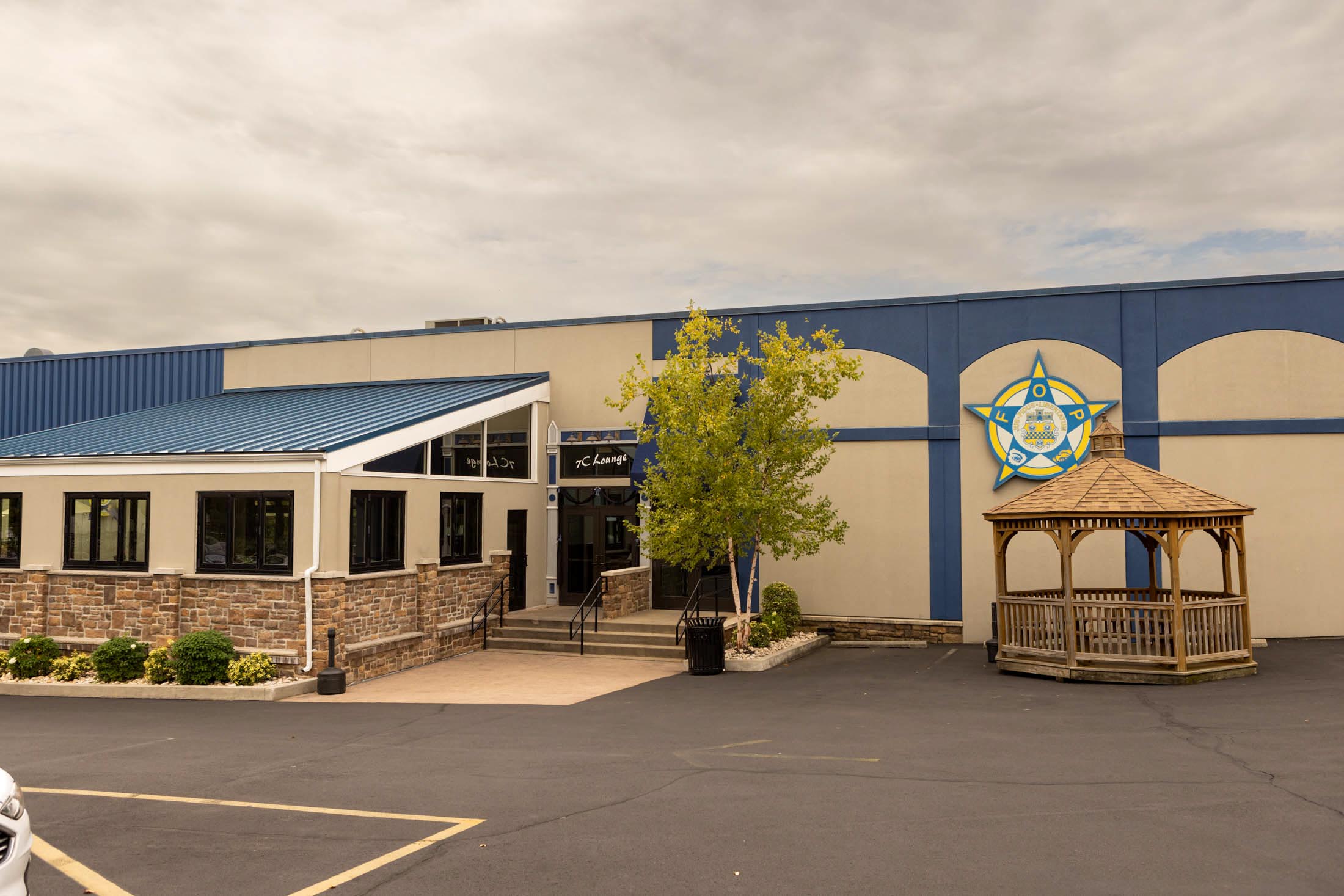
At 7C Lounge and Heroes Ballroom on Caroline Road, the advantage is practical. The location is familiar to Northeast Philly families, FOP members, first responders, local teams, and work groups. The building has food, drinks, event space, and a lounge setting in one place. For holiday season, that combination matters.
Why the calendar fills so quickly
Holiday parties all compete for the same short stretch. Most groups want dates between Thanksgiving and the week before Christmas. Most people prefer Friday or Saturday. Many work groups want Thursday evenings. Families look for weekend afternoons or early evenings. The result is simple: the season may feel long, but the prime party calendar is actually small.
Philadelphia also gets busier once the holidays begin. The Visit Philadelphia holiday season guide shows how full the region gets with markets, light displays, performances, ice skating, family attractions, and seasonal traditions. When the city is already moving, private party dates become even more valuable.
That is why waiting can be risky. The later a group starts, the more likely it is that the ideal date, time, or setup is already gone. A holiday party does not need to be complicated, but it does need a room. Once that room is off the calendar, everything else becomes harder.
Who should be thinking about dates now
This is the right time for any group that already knows a holiday gathering is likely. Corporate teams should be looking at late November and December now. Families planning a bigger Christmas party should not wait until invitations are ready. Clubs, committees, first responder groups, union groups, and neighborhood organizations should already be thinking through headcount and timing.
The reason is not panic. It is clarity. A group does not need every detail finished before checking availability. What matters first is the date, the approximate guest count, the general time of day, and the type of event. The menu, seating, and final details can come into focus after the room is reserved.
That is the part people sometimes get backward. They try to plan every piece before asking about the date. During holiday season, the date is the piece that should be handled first.
The capacity question comes first
Before choosing food, music, decorations, or timing, the host needs to know the size of the gathering. Capacity decides almost everything. A 20-person team dinner does not need the same room as a 75-person family party. A cocktail-style gathering does not move the same way as a seated dinner. A retirement party with speeches needs a different flow than a casual holiday happy hour.
For 7C Lounge private event bookings, the party booking details for 7C Lounge list an enclosed patio or reserved area in the lounge, a 3-hour patio rental window, a $500 deposit, and a 50-guest maximum for 7C Lounge bookings. That gives smaller and mid-size gatherings a clear starting point.
For larger ballroom-style gatherings, the most important first step is confirming the appropriate setup and guest count with the event team. A ballroom party has different needs than a reserved lounge area. It may involve more seating, more service structure, more timing, and a different room layout. That is why the guest count should be honest from the start.
What a package should make easier
A good holiday party package is not just about price. It is about removing decisions. Hosts already have enough to manage: invitations, RSVPs, coworkers, relatives, budgets, arrival times, gift exchanges, speeches, and the one person who always answers late. The venue package should make the event easier to picture.
At minimum, a useful package should help clarify the space, event length, deposit, guest count, food direction, bar expectations, timing, and any setup needs. For a casual 7C Lounge party, that may mean a reserved lounge area, shareable food, drinks, and a clear 3-hour window. For a ballroom event, that may mean a more structured room setup, meal service, tables, flow, and space for a larger crowd.
The best package is the one that matches the party. A corporate holiday party may need easy arrival, enough room for coworkers to move, and food that works for mixed tastes. A family holiday party may need seating for older relatives, space for kids to move around, and a menu that feels generous without becoming too formal.
Holiday food should be easy to like
The holiday season is not the time to make the menu too clever. A good party menu should be easy to understand and easy to eat. People want familiar food done well. They want enough variety for different appetites. They want plates that work while people are talking, greeting each other, taking photos, and moving around the room.
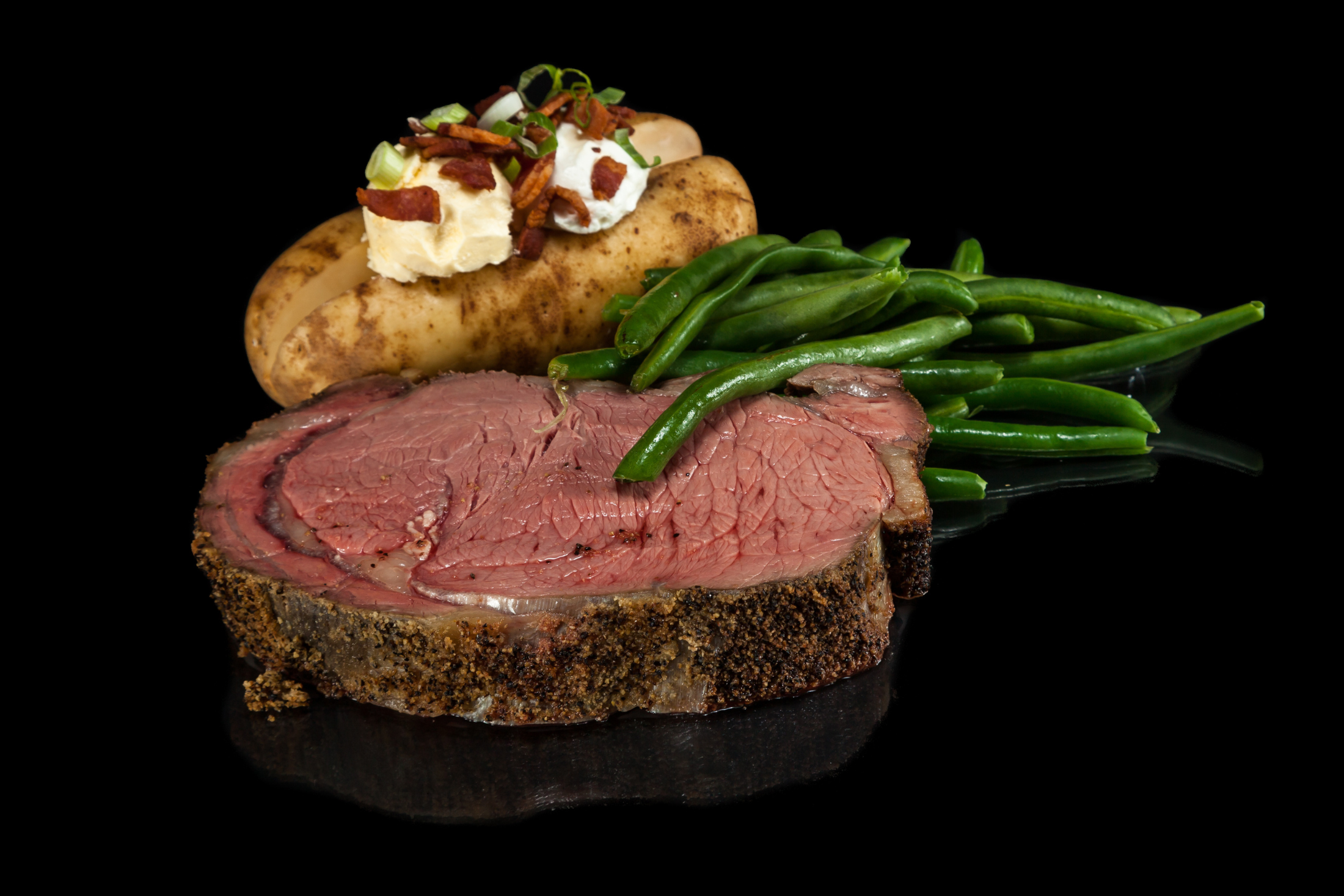
For smaller lounge gatherings, the 7C Lounge specials and weekly features give a useful sense of the food and drink rhythm guests already know, including happy hour bites, dips, loaded fries, nachos, pretzels, flatbread, quesadillas, Taco Tuesday, and Prime Rib Wednesday. Those kinds of items show why casual party food works so well in a social room.
For a larger holiday party, the food should still follow the same principle: make it comfortable. Guests should not have to study the menu to enjoy themselves. The food should support the party, not slow it down.
Corporate parties need flow
A corporate holiday party has a different job than a family dinner. It needs to feel organized without feeling stiff. Coworkers need room to talk. Managers may want a short welcome or thank-you. Teams may need space for awards, photos, raffles, or a small gift exchange. Nobody wants the night to feel like a meeting, but the room still needs structure.
That is where the layout matters. A good corporate party space should make arrival easy, keep food and drinks accessible, give people a natural place to gather, and still allow movement. The best work parties do not trap everyone in assigned seats all night unless that is the actual plan.
For groups booking in late October, the key questions are simple. How many guests are expected. Is the event seated or more casual. Will there be speeches. Is the bar hosted, cash, or limited. Does the group need a microphone, stage, or presentation setup. Those answers shape the room quickly.
Family parties need comfort
Family holiday parties have their own rhythm. They are less about corporate flow and more about comfort. People arrive in clusters. Some want to sit right away. Some want to stand and talk. Kids may need room to move. Older guests may need easy seating. Someone is probably taking photos. Someone else is trying to keep the gift table from becoming chaos.
That is why the right venue matters. A family party should not feel like a room everyone is fighting against. It should feel easy to enter, easy to sit, easy to eat, and easy to enjoy. The host should not spend the whole night solving problems.
For family gatherings, the best package details are the ones that keep the night predictable: capacity, timing, food, seating, deposit, and any setup needs. Once those pieces are clear, the party can feel personal without becoming hard to manage.
Late October booking protects December weekends
Late October is the sweet spot because people are just starting to move from “we should do something” to “we need a date.” The hosts who act during that window usually have more choices. They can compare Fridays, Saturdays, Sundays, weeknights, early evenings, and after-work windows.
By November, that flexibility starts to shrink. By Thanksgiving, many groups are working around what is left. By December, the conversation often becomes less about the perfect date and more about finding anything that still works.
That is why booking early is not only about being organized. It is about giving the party a better chance to feel intentional. The right date helps the right people attend. The right room helps the event feel smooth. The right timing helps the host relax.
Why weeknights should not be overlooked
Everyone wants Friday or Saturday until they realize everyone else wants Friday or Saturday too. Weeknights can be the smarter holiday party move, especially for work groups. A Thursday evening party can still feel festive without competing for the most crowded weekend slots. A Wednesday department dinner can be easier for people who already have family plans on weekends.
Weeknights also help groups that care more about connection than late-night energy. A team can gather after work, eat, toast the year, take photos, and still keep the event simple. For family groups, a Sunday afternoon or early evening can sometimes work better than a Saturday night, especially when kids or older relatives are involved.
That flexibility matters once the calendar starts filling. The best date may not be the most obvious date. It is the date the most important guests can actually attend.
Philadelphia’s holiday season adds pressure
The holiday party calendar does not exist in a vacuum. It competes with everything else happening in and around the city. The DiscoverPHL annual Philadelphia events guide shows how the region stays busy with parades, cultural celebrations, sporting events, festivals, and seasonal traditions all year long. During the holidays, that calendar gets even tighter.
That matters because guests are already choosing between office parties, school events, family obligations, shopping nights, holiday markets, neighborhood gatherings, and travel. The earlier a host gets the date set, the easier it is for guests to protect it.
A good holiday party is not only about the room. It is about getting on people’s calendars before everything else does.
Small parties still need structure
Not every holiday party needs a ballroom. Some of the best seasonal gatherings are smaller: a department happy hour, a family table, a retirement toast, a club get-together, or a group of friends who want one night together before the year ends.
Those parties still need structure. A reserved area, clear timing, food expectations, and a guest count keep the night from feeling thrown together. The difference is that the structure can stay casual. The host does not need a formal program. They just need the right space and enough clarity for guests to know where to go.
That is where 7C Lounge can be a practical fit. A reserved lounge area or enclosed patio works for groups that want a defined space without the scale of a full ballroom event.
Larger parties need room to breathe
A larger holiday party has to move. Guests need space to enter, greet each other, find a drink, get food, sit, stand, and take photos without every corner feeling crowded. That is why ballroom-style events need a different level of planning.
The host should think about the room in sections. Where do guests arrive. Where does the food go. Where does the bar line form. Where do speeches happen. Where do coats, gifts, raffle baskets, or dessert displays belong. The answers do not need to be complicated, but they do need to exist.
A good event space helps the party breathe. Guests should not feel boxed in, and hosts should not have to manage traffic all night.
The package should match the mood
Holiday parties are not all the same. A police retirement gathering has a different mood than a corporate sales team dinner. A family Christmas party feels different from a club holiday social. A casual after-work happy hour is not the same as a seated ballroom event.
That is why the package should match the mood. Some events need more structure. Some need more open space. Some need food and drinks to be the center. Some need speeches, music, photos, or a short program. The best planning conversation starts with the type of event, not just the number of people.
When the mood is clear, the details become easier. A relaxed family party does not need to be treated like a gala. A formal holiday dinner should not be planned like a casual happy hour. The right package makes the party feel natural.
Parking and location matter in December
Holiday season adds enough friction on its own. People are shopping, traveling, working late, managing school events, and trying to keep up with family plans. A party location should not make the night harder.
Caroline Road is practical for Northeast Philly groups because it keeps the event local. Guests do not have to make the Center City holiday traffic part of the night unless they want to. For families and work groups in the Northeast, Bucks County, and nearby suburbs, that convenience can make attendance easier.
Location is not always the flashiest detail, but in December it can be the detail that decides whether people actually come.
What to have ready before asking about dates
A host does not need every detail finished before checking availability, but having the basics ready helps. The event team will be able to respond more clearly if the host knows the approximate guest count, preferred dates, backup dates, event type, rough time frame, and whether the party is casual, seated, or ballroom-style.
Those details protect everyone’s time. They also help the host avoid falling in love with a date or room that does not match the event. A 45-person happy hour, a 125-person holiday dinner, and a 300-person ballroom celebration are different events. They should be planned differently from the start.
The clearer the first inquiry, the smoother the rest of the process usually feels.
The best holiday parties feel settled early
There is a calm that comes with having the holiday party booked before November gets too loud. The date is set. The room is held. The guest list has somewhere to point. The host can move from panic to details.
That is the real reason late October matters. Booking early does not make the party fancy. It makes it easier. It gives the host time to think through food, timing, photos, music, speeches, gifts, and the small personal touches that make a holiday gathering feel warm.
Waiting does the opposite. It turns every decision into a reaction. The best dates are gone, the group has fewer options, and the host has to make compromises that could have been avoided.
The calendar is the first decision
Holiday parties start with the calendar. Before the menu, before the decorations, before the playlist, before the gift exchange, there has to be a date and a room. Once those are settled, everything else has somewhere to go.
That is why late October is the right time to move. Corporate parties, family gatherings, retirement celebrations, club events, and end-of-year nights out all need space. The groups that book first get the cleaner choices.
Whether the right fit is a reserved lounge area, an enclosed patio, or a larger ballroom-style setup, the goal is the same: get the room before the calendar fills.